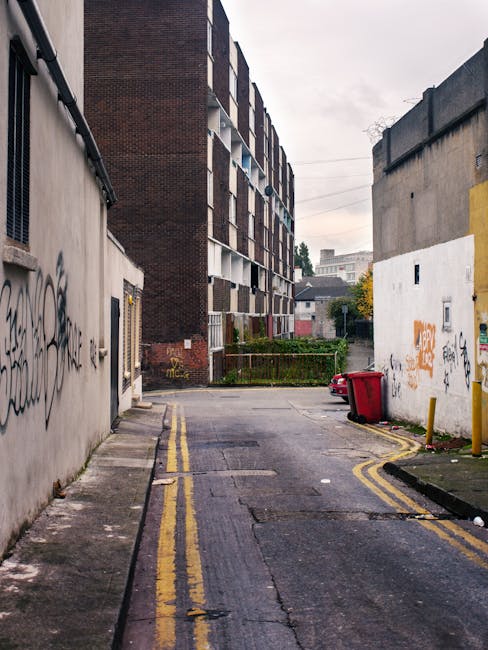
Choumert Road rubbish access guide for narrow Peckham streets
If you have ever tried to move rubbish down a tight Peckham road with parked cars on both sides, you will know the feeling: one awkward turn, one heavy bag, and suddenly the whole job gets slower. This Choumert Road rubbish access guide for narrow Peckham streets is here to make that process easier. It explains how rubbish access tends to work on narrower residential streets, what usually causes delays, and how to plan a clearance that is safer, quicker, and a lot less stressful.
Choumert Road sits within the kind of urban layout where access can change from one end of the street to the next. Vans need room, crews need a safe way to carry items, and residents still need their road kept usable. That balance matters. Whether you are clearing a flat, dealing with bulky waste, or preparing for builders' debris, the right approach can save time and reduce disruption. Let's face it, nobody wants a clearance that blocks the pavement or turns into a mini traffic puzzle.
In the sections below, you will find a practical breakdown of access issues, the best working methods for narrow streets, and the common mistakes worth avoiding. There is also a checklist and a real-world example, because theory is nice, but a proper street-level plan is better.
Table of Contents
- Why Choumert Road rubbish access guide for narrow Peckham streets Matters
- How Choumert Road rubbish access guide for narrow Peckham streets Works
- Key Benefits and Practical Advantages
- Who This Is For and When It Makes Sense
- Step-by-Step Guidance
- Expert Tips for Better Results
- Common Mistakes to Avoid
- Tools, Resources and Recommendations
- Law, Compliance, Standards, or Best Practice
- Options, Methods, or Comparison Table
- Case Study or Real-World Example
- Practical Checklist
- Conclusion
- Frequently Asked Questions
Why Choumert Road rubbish access guide for narrow Peckham streets Matters
Narrow streets change everything. On a road like Choumert Road, a rubbish job is rarely just about the waste itself. It is about where the vehicle can stop, how far items need to be carried, whether doors and gates can be opened safely, and how to avoid causing a fuss for neighbours. The difference between a smooth clearance and a messy one is often just a few metres of usable space.
That matters for a few reasons. First, access affects speed. If a team can park close to the property, the job usually runs more efficiently. Second, access affects safety. Long carries, awkward lifting, and blocking a narrow pavement all increase risk. Third, it affects cost. More time on site and extra labour can mean a less predictable quote, especially where access is tight or loading has to be done in stages.
Peckham streets also tend to have a mix of older housing stock, conversions, small frontages, and parked cars. Those features are normal, but they do mean planning matters more than people expect. A rubbish access guide is useful because it helps you think like the crew doing the lifting. Where will they enter? Where will they park? What will they do if a van cannot sit directly outside the address? These are simple questions, but they shape the whole job.
Practical takeaway: on narrow streets, the best waste removal plan is not the one with the fanciest truck. It is the one that reduces carrying distance, keeps neighbours unblocked, and avoids last-minute surprises.
Truth be told, most access problems are preventable. Not all of them, but most. If you understand the road layout before the team arrives, you are already halfway there.
How Choumert Road rubbish access guide for narrow Peckham streets Works
The basic idea is straightforward: you match the type of rubbish and property access to the safest and most efficient collection method. On a narrow Peckham street, that often means thinking in layers. Street access comes first, then parking, then carrying distance, then item size, then disposal route.
A typical access plan starts with a visual check. Can a van stop near the property without causing a pinch point? Are there loading restrictions, sharp bends, school run traffic, delivery windows, or residents' bays to consider? Is the rubbish inside a flat, a rear garden, or a basement? Those details decide whether the clearance is a quick lift-and-load or a more involved carry-out.
From there, the team usually works out the handball route. Handball simply means carrying waste by hand from the property to the vehicle. It is common on narrow streets where a van cannot sit right beside the door. The route should be clear of trip hazards, open safely, and ideally keep items away from live traffic where possible.
Another factor is waste type. Light bagged rubbish is very different from old wardrobes, broken shelving, or builders' rubble. A few bin bags can be moved in a narrow passage with relative ease. A bulky sofa, not so much. In some cases, it makes sense to break items down first, especially if that reduces load size and makes access safer.
For residents and landlords, the main goal is not to "fit everything in" at any cost. It is to create a plan that works with the street, not against it. That is especially true around homes close to Choumert Road, where street width, parking pressure, and busy daily use all shape the job.
Key Benefits and Practical Advantages
Good rubbish access planning is one of those things people notice only when it goes wrong. When it goes right, the job feels calm and controlled. And, honestly, that calm saves everyone time.
- Less disruption to neighbours: a tighter plan means fewer blocked pavements and less noise from unnecessary shuffling.
- Safer lifting and carrying: shorter routes and better positioning reduce strain on crews and lower the chance of damage.
- More accurate scheduling: if access is known in advance, the clearance can be timed more realistically.
- Better cost control: fewer delays and fewer extra movements usually make for a cleaner quote.
- Cleaner street etiquette: a tidy, well-managed removal is simply better for everyone on a narrow residential road.
There is also a less obvious benefit: planning improves communication. When you explain the access clearly, everyone involved knows what to expect. The crew knows where to park, you know what to move beforehand, and there is less back-and-forth on the day. Small thing, but it makes a noticeable difference.
For properties near Choumert Road, another plus is flexibility. If the nearest point is not directly outside the address, a sensible team can often adapt using a shorter carry route, a split load, or a staged removal. That kind of flexibility is worth a lot on tighter London streets.
Who This Is For and When It Makes Sense
This guide is useful for anyone dealing with waste on or near narrow Peckham streets, but it is especially relevant if the property access is a bit awkward. You do not need a complicated setup for this to matter. In fact, the simpler the job looks at first glance, the easier it is to underestimate the access issue.
You will likely find this useful if you are:
- clearing a flat or maisonette with limited stairwell space
- removing old furniture from a top-floor property
- dealing with builders' waste after a small renovation
- clearing a garden, yard, shed, or rear access area
- moving bulky household rubbish after a move or tenancy change
- coordinating a clearance where parking is tight or restricted
It also makes sense for landlords, letting agents, and small businesses operating nearby. A cafe, studio, or office on a busy side street often has to work around deliveries and foot traffic. If rubbish is not collected efficiently, it can get in the way of service or create an untidy first impression. If you have ever seen a pile of cardboard leaning into a narrow pavement on a damp morning, you know exactly what that looks like. Not ideal.
Sometimes the guide is also useful before you book anything. If you are still deciding between a man-and-van style clearance, a more structured waste removal service, or another approach, access planning helps you choose the right fit rather than guessing.
Step-by-Step Guidance
Here is a practical way to plan rubbish access on a narrow Peckham street without overcomplicating it.
- Check the actual street access first. Look at the road width, parking pressure, turning space, and any obvious pinch points. A short walk outside with a clear eye helps more than assumptions from memory.
- Work out where the vehicle can stop. Think about whether a van can park near the entrance, whether it needs to wait, or whether it will have to load from a short distance away.
- Measure the carry route in plain terms. You do not need a laser measure for everything. Just note whether items must move through a hallway, up stairs, down steps, across a yard, or through a narrow gate.
- Separate bulky items from loose rubbish. Bulky furniture, bags, cardboard, and heavy construction debris are easier to manage when grouped sensibly.
- Decide what can be dismantled. A bed frame, wardrobe, or shelving unit may be easier to remove if taken apart first. That one decision can save a lot of swearing, to be fair.
- Clear access points before collection. Move small items, bikes, plant pots, door mats, or anything that could catch or obstruct the carry route.
- Confirm the timing. On narrow streets, timing matters. Mid-morning or early afternoon can sometimes reduce pressure, but local conditions vary. The key is avoiding the worst clash with deliveries, school runs, or rush-hour bottlenecks.
- Communicate anything unusual. If there is a shared entrance, a locked gate, a basement stair, or an awkward corner, say so early. A two-minute conversation can prevent a twenty-minute delay.
One small but important point: if the rubbish is mixed, mention that too. Crews often need to know whether items are general household waste, furniture, metal, wood, or construction material. Mixed loads can change how the job is priced and handled.
If you are not sure whether something counts as a bulky item, treat it as one. Better to over-prepare than be caught trying to angle a sofa through a door that is clearly not interested in cooperating.
Expert Tips for Better Results
A few small habits can make a rubbish removal much easier on narrow streets. These are the kinds of details that seasoned crews tend to notice straight away.
- Start with the biggest item. If the largest piece fits through the route, everything else is easier to judge.
- Keep bags tied and manageable. Overfilled bags split more easily and create a mess right when you do not need one.
- Use a staging point. If the street is tight, place items in a tidy holding area inside the property before loading begins.
- Break down cardboard early. Flat-packed cardboard is easier to stack and carry, and it takes up far less space.
- Protect stair edges and walls. On older Peckham properties, walls and banisters can mark easily. A bit of care goes a long way.
- Think about weather. A wet day makes steps and pavements slippery, which slows everything down. A dry carry route is worth planning for when you can.
Another good tip is to ask the clearance team how they like the waste arranged. Some crews prefer items grouped by room or material type. Others are happy with a single tidy pile near the exit. There is no magic formula, just easier workflow when the load is presented clearly.
And yes, it sounds obvious, but clear the thing before the team arrives. You would be surprised how often "almost ready" still means sorting, lifting, and dragging at the door. One minute you are relaxed, next minute you are hunting for bin liners. It happens.
Common Mistakes to Avoid
Narrow-street clearances are full of small traps. Most of them are avoidable once you know what to look for.
- Assuming a van can stop outside the property. On a busy Peckham road, that is not always realistic.
- Underestimating carry distance. Ten extra metres does not sound like much until you are carrying a sofa down a shared passage.
- Leaving access checks until the day of collection. This is the classic one. It usually causes the biggest frustration.
- Mixing everything together. Loose rubbish, heavy items, and recyclable materials all behave differently when loading.
- Forgetting about neighbours and passers-by. A narrow street is a shared environment, not a private work zone.
- Failing to mention stairs, locked gates, or basement entries. Those details are not minor. They shape the whole operation.
A smaller but still annoying mistake is leaving the heaviest items for last. By the time the crew gets to them, everyone is already tired and space is tighter. Better to deal with the awkward pieces first while the route is still clear.
Another one: assuming every collection service treats access the same way. Some are geared toward quick curbside pickups, while others are more suited to internal carries and more involved clearances. Matching the service to the property is half the battle.
Tools, Resources and Recommendations
You do not need specialist equipment for every rubbish job, but a few simple tools can make a big difference. In our experience, the best setup is usually boring in the nicest possible way: practical, sturdy, and easy to move.
- Heavy-duty bin bags: useful for loose waste, soft items, and mixed household rubbish.
- Gloves and basic hand protection: sensible for handling rough edges, dusty items, and unknown surfaces.
- Trolley or sack truck: helpful where the route is flat and wide enough to support wheeled movement.
- Strapping and rope: useful for securing awkward items or grouping smaller bits together.
- Cardboard cutters or simple tools: handy when breaking down packaging before removal.
- Dust sheets or protective covers: worth considering for internal routes through hallways or stairwells.
For broader support, it can help to look at related clearance services if your load is mixed. For example, a flat clearance or home clearance may be a better fit if the rubbish is spread through several rooms. If you are clearing a property after a move, a fuller service can save time compared with trying to piece it together yourself. You can also review the company's house clearance, flat clearance, or home clearance options if the job is bigger than a simple one-off load.
For larger or mixed rubbish jobs, it is also worth comparing waste removal with a more targeted service such as furniture clearance or builders waste clearance. That distinction matters when access is tight, because the best service is usually the one that matches the property rather than the one with the broadest headline.
If cost planning is part of your decision, the pricing and quotes page is a useful place to understand how estimates are normally approached. No drama, just a clearer picture before you book.
Law, Compliance, Standards, or Best Practice
For rubbish access on narrow streets, the legal and practical side tends to overlap. You are not usually dealing with a complex permit structure for a standard domestic load, but you do still need to behave responsibly around the highway, neighbours, and waste handling requirements.
Good practice includes keeping pavements passable where possible, avoiding obstruction, and not leaving waste where it could create a nuisance or hazard. If parking restrictions apply, they need to be respected. If a load is likely to take up space on the carriageway, it should be planned carefully rather than improvised at the kerb.
Waste should also be handled in a way that supports proper sorting and disposal. That means avoiding fly-tipping, keeping recyclables separate where practical, and making sure items are not dumped because access turned out to be awkward. If you have ever seen a pile of random debris sitting where it should not, you already know why this matters.
For property owners and managers, it is sensible to check whether a job involves any special handling, especially for bulky, mixed, or potentially restricted waste. Clear communication helps reduce risk. Companies that publish their health and safety policy and insurance and safety information tend to make that process easier to assess. If you want to know more about how a business handles data or terms, those details are usually set out in their policy pages too.
Best practice, simply put, is to plan before the truck arrives, keep the route tidy, and make sure the removal method fits the street. That is the real standard here. The rest is just details.
Options, Methods, or Comparison Table
There is more than one way to handle rubbish access on a narrow Peckham street. The right choice depends on load size, item type, and how much room you actually have to work with.
| Method | Best for | Pros | Limitations |
|---|---|---|---|
| Curbside collection | Small, already-bundled waste | Fast, simple, low disruption | Only works where access to the roadside is realistic |
| Hand-carry removal | Flats, rear access, narrow hallways | Flexible and practical on tight streets | More labour and time if the route is long |
| Flat or property clearance | Multiple rooms or mixed contents | Good for larger, more complex jobs | Needs clearer access planning and more coordination |
| Furniture-focused removal | Sofas, beds, wardrobes, white goods | Efficient for bulky items | Awkward items may need dismantling first |
| Builders' waste collection | Renovation rubble, timber, mixed site waste | Suited to heavier, messier materials | Can be harder on narrow streets if not planned properly |
If the job is mostly furniture, a dedicated furniture service usually makes more sense than a broad waste collection. If it is a renovation job, builders' waste planning becomes more important because debris tends to be heavier, dustier, and less forgiving in tight spaces. You can also explore furniture disposal if you need a route for bulky household items rather than general junk.
There is no universal winner here. The best method is the one that matches the access, the waste type, and the street conditions on the day. Sounds simple. Often isn't, but still.
Case Study or Real-World Example
Picture a typical flat clearance near Choumert Road on a weekday morning. The property has a narrow stairwell, a shared entrance, and a van that cannot sensibly block the road for long. The load includes a bed base, two chairs, several bin bags, and flat-pack packaging from a recent move.
The first step is not lifting. It is sorting. The light bags are grouped first, the packaging is broken down, and the bed base is checked to see whether it can be dismantled. That small adjustment makes the carry route safer and easier. The crew can then move items in stages rather than trying to wrestle everything through the stairwell at once.
Now imagine the same job without access planning. Items are left in random rooms, the stairwell is cluttered, the van arrives late because parking was not checked, and someone realises too late that the largest item does not fit through a landing turn. That is where the day starts to get expensive and frustrating. Nobody wants that version.
A better outcome comes from keeping the route clear, communicating about the load, and choosing the right clearance service in the first place. If the situation includes odours, damp items, or a lot of mixed household waste, it may also be worth reviewing related guidance such as odours after a clearance in SE15 before the team arrives. Small issue, big difference.
That kind of measured preparation is usually what separates a smooth street-level collection from a chaotic one. Not glamorous, but effective.
Practical Checklist
Use this checklist before any rubbish removal on a narrow Peckham street. It keeps things simple.
- Confirm the exact property entrance and access route.
- Check where a vehicle can stop without causing obstruction.
- Identify stairs, narrow hallways, gates, or rear paths.
- Group bulky items separately from loose rubbish.
- Break down items that can be safely dismantled.
- Keep the carry route free from bikes, mats, and loose clutter.
- Tell the team about parking limits or time restrictions.
- Separate any materials that may need special handling.
- Prepare for weather if surfaces may be slippery.
- Leave enough space for the crew to work without squeezing past everything.
If you can tick most of those off, you are in decent shape. If not, it is still fixable; just give yourself a little more time and be honest about the access. That honesty saves everyone a headache.
Get a free quote today and see how much you can save.
Conclusion
Narrow Peckham streets call for a different kind of rubbish planning. The job is not just about collecting waste; it is about making access work safely, keeping the street usable, and choosing a method that fits the property rather than forcing a bad fit. Around Choumert Road, that usually means thinking carefully about parking, carry distance, item size, and timing before anything is lifted.
The good news is that most access issues are manageable with a clear plan. If you sort the load, explain the route, and match the service to the space, the whole thing becomes much more straightforward. And if you are still unsure, a bit of early advice is always better than a rushed decision on the day.
In a place where the street is busy, the pavements are shared, and everyone is trying to get on with their day, a calm and well-planned clearance is a small kindness. Sometimes that is enough.
Frequently Asked Questions
What is the main point of a Choumert Road rubbish access guide for narrow Peckham streets?
It helps you plan how rubbish can be removed safely and efficiently when the street is tight, parking is limited, and the property layout is not straightforward. The aim is to avoid delays, reduce lifting risk, and make the job easier for everyone involved.
Why does access matter so much on narrow Peckham streets?
Because a few metres of extra carry distance, a lack of parking, or a blocked pavement can slow a job down quickly. On a narrow road, access affects safety, timing, and sometimes the overall cost.
Can a rubbish collection work if the van cannot park directly outside the property?
Yes, often it can. The crew may use a hand-carry route or a short staged load. The key is to explain the situation early so the right approach is planned from the start.
What kind of rubbish is hardest to remove on a narrow street?
Large, awkward items such as sofas, wardrobes, mattresses, and mixed builders' waste tend to be the trickiest. They take up more space, are harder to turn in tight hallways, and may need dismantling first.
How do I prepare a flat or house before a collection?
Clear the route, group items together, remove small obstacles, and tell the team about stairs, gates, or locked entrances. If anything is unusually heavy or bulky, mention it before collection day.
Is it better to dismantle furniture before rubbish removal?
Usually, yes, if it can be done safely. Breaking down wardrobes, bed frames, or shelving can make carrying easier and reduce the chance of damage in narrow spaces.
Do narrow-street rubbish jobs take longer than normal collections?
They can, especially if parking is tight or the carry route is long. That said, good planning often keeps the time impact modest. Clear access notes make a bigger difference than people expect.
What should I do if my waste includes mixed materials?
Tell the clearance provider what is included. Mixed loads may need different handling, and separating recyclable or bulky items can make the job more efficient. It also helps the team estimate the work more accurately.
Are there any special compliance concerns on narrow streets?
The main concerns are safe access, avoiding obstruction, respecting parking restrictions, and making sure waste is handled responsibly. If the job involves unusual materials or significant obstruction risk, it should be discussed in advance.
How can I reduce the cost of rubbish removal on Choumert Road?
Prepare the load well, dismantle large items where possible, keep the route clear, and give accurate access details. A clearer job is usually easier to price and complete efficiently.
What if I am clearing more than just rubbish?
If the job includes furniture, household contents, or multiple rooms, a fuller clearance service may be more suitable than a simple waste pickup. That is where options such as house clearance or flat clearance can be more practical.
Who should I contact if I am not sure which service I need?
Speak to the provider with a rough list of the items, the property type, and the access details. A few clear notes are usually enough to point you toward the right service and avoid the usual back-and-forth.
What is the best single tip for narrow Peckham street clearances?
Be honest about access before the job starts. It sounds basic, but it saves time, prevents awkward surprises, and helps the removal team plan the safest route. Simple, really.