Bellenden Road Rubbish Guide: Collections & Drop-Offs
If you live, work, or manage a property near Bellenden Road, rubbish has a way of showing up exactly when you have the least time for it. A flat clearing out after a move, broken furniture left in a hallway, garden waste after a weekend tidy-up, a few builder's bags that are somehow multiplying in the corner... it all needs dealing with properly. This Bellenden Road Rubbish Guide: Collections & Drop-Offs is here to make that easier. It explains the main ways waste is handled, what to think about before booking a collection or heading to a drop-off point, and how to avoid the usual headaches.
The aim is simple: help you choose the most practical, legal, and cost-effective route for your waste, without the guesswork. You do not need to overcomplicate it. You just need a clear plan.
Why Bellenden Road Rubbish Guide: Collections & Drop-Offs Matters
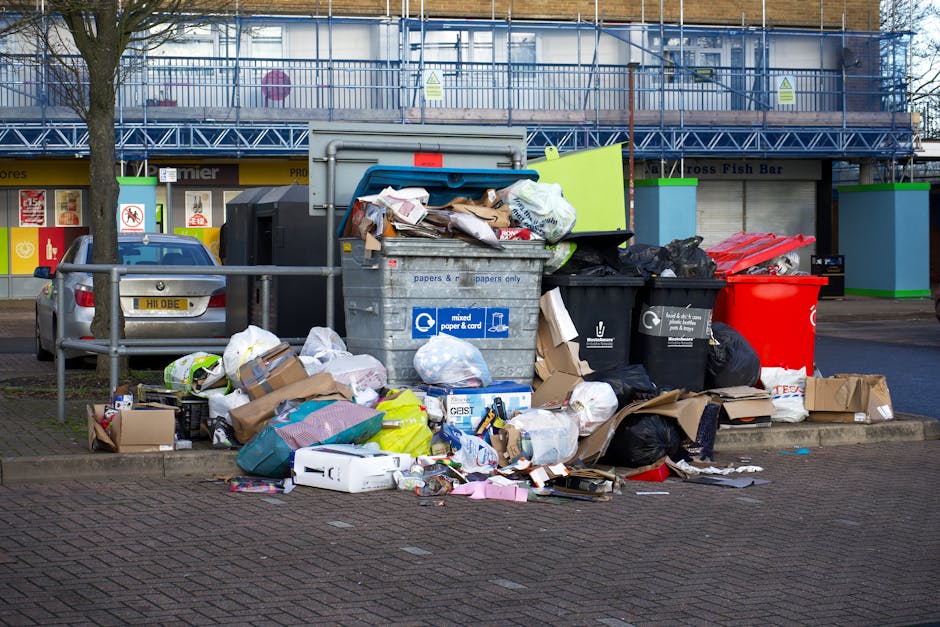
Bellenden Road sits in a busy part of Peckham, where homes, flats, shops, studios, and small businesses often share tight access, on-street parking pressure, and not much patience for overflowing bags. That makes rubbish removal a little different from a simple "put it out and forget it" job. Timing matters. Access matters. Sorting matters too.
Rubbish becomes a problem for a few familiar reasons. A landlord wants a flat cleared between tenancies. A family has bought a new sofa and does not know what to do with the old one. A shop has cardboard stacking up after deliveries. A gardener has bags of green waste that cannot sit around for a week. In each case, the best answer depends on the type and amount of waste, how quickly it needs to go, and whether you can move it easily.
That is why a local guide is useful. It helps you compare collection services with drop-off options, understand what can be reused or recycled, and avoid assuming every item can go in the same pile. Truth be told, that assumption causes a lot of mess.
Practical takeaway: the right waste route is usually the one that matches the size, type, urgency, and access conditions of the job - not just the cheapest option on paper.
For properties around Bellenden Road, there is also the question of disruption. A quick collection can keep shared entrances clear. A pre-planned drop-off can save money if you have transport and time. Both have their place. The trick is choosing without turning it into a half-day puzzle.
How Bellenden Road Rubbish Guide: Collections & Drop-Offs Works
At a practical level, rubbish handling near Bellenden Road usually falls into two broad routes: collection or drop-off. Collections mean waste is picked up from your property, yard, shopfront, or other agreed location. Drop-offs mean you take the waste yourself to a suitable facility or reuse point, where accepted materials can be separated and processed.
Collections are often the easier choice when you have bulky items, mixed waste, poor access, or a deadline. Drop-offs can make sense when you have a vehicle, sorted loads, and the time to manage it yourself. Some people also combine the two: they keep recyclables separate, remove reusable furniture in one go, and clear the remaining waste with a booked collection. That can be surprisingly efficient.
In everyday terms, here is how the process usually unfolds:
- Identify the waste type - household, furniture, garden, builders' waste, office waste, or mixed rubbish.
- Estimate the volume - a few bags, a van load, or something larger.
- Check access - stairs, narrow hallways, parking restrictions, loading space, and lifting constraints.
- Choose the route - collection, drop-off, or a mix of both.
- Separate where sensible - recycling, reuse, and general waste should not all end up together if it can be avoided.
- Confirm what is accepted - especially for items like mattresses, electricals, paint, rubble, or fridges.
- Book or plan the drop-off - then make the waste ready so the job is quick and clean.
If you are arranging a larger property clearance, it can also help to think in sections rather than one huge pile. A loft, garage, or spare room often hides more than you remember. One box becomes three. Then somehow there is a broken chair, two lamps, old books, a fan from 2009, and that slightly mysterious cable bundle nobody wants to claim. It happens.
For readers comparing services and preparing a wider clearance, it may also be useful to look at related options such as home clearance, house clearance, or a more targeted furniture clearance if the job is mainly bulky items.
Key Benefits and Practical Advantages
A good rubbish plan is not just about getting rid of stuff. It is about making the process less disruptive, less risky, and less wasteful. That sounds obvious, but in practice people often focus only on speed and then regret not thinking the job through.
The main benefits of using a sensible collection or drop-off approach near Bellenden Road are:
- Faster clear spaces - useful when you need to hand back a property, reopen a room, or reclaim access.
- Less stress - rubbish is one of those tasks that grows bigger in your mind the longer it waits.
- Better sorting - recyclable and reusable items are easier to separate when you plan ahead.
- Safer handling - heavy, awkward, dusty, or sharp items can be moved properly rather than dragged around.
- Cleaner communal areas - especially important in flats and shared buildings where waste can quickly become everyone's problem.
- More suitable disposal - different waste streams can be treated in more appropriate ways.
There is also a quieter benefit: confidence. Once you know what route suits the job, you stop second-guessing every bag and box. That alone saves time.
For business premises, the benefits are even more noticeable. A tidy back area, a clear loading bay, and regular waste handling all help day-to-day operations feel less chaotic. If you are dealing with recurring waste rather than a one-off clear-out, it can be worth reviewing business waste removal alongside one-off options like waste removal.
Who This Is For and When It Makes Sense
This guide is for anyone around Bellenden Road who needs to move rubbish out in a sensible way, whether that is one sofa or a full property clear-out. The most common readers are:
- Homeowners clearing out after renovations, redecorating, or moving.
- Tenants who need to leave a property clean and empty without last-minute panic.
- Landlords and agents managing changeovers, end-of-tenancy clearances, and left-behind items.
- Small business owners dealing with packaging, office clutter, stock waste, or old fixtures.
- Tradespeople with builders' waste after a job, especially when access is awkward.
- Anyone with bulky or awkward items that are hard to move in a normal car.
It makes sense to use a guided collection or drop-off approach when the waste is:
- too much for household bins
- too bulky for normal kerbside collection
- mixed and needs sorting
- too heavy or awkward to shift alone
- being cleared under a deadline
- stored in a space with difficult access
It also makes sense if you are trying to be careful about where your waste ends up. Not everything is rubbish in the same sense. Some items can be reused. Some can be repaired. Some should be recycled. Some, frankly, are just done for. That distinction matters more than people think.
If your job involves a loft, garage, or cellar that has quietly filled up over years, these related services may also be useful: loft clearance, garage clearance, or flat clearance where access and shared spaces need extra care.
Step-by-Step Guidance
Here is a straightforward way to approach rubbish near Bellenden Road without making it a bigger task than it needs to be.
1. Walk the site first
Start by looking at the waste in context. Is it spread across multiple rooms? Is there a narrow staircase? Do you need to protect flooring or avoid shared hallways during busy hours? A two-minute walk-through often reveals the real challenge. Sometimes the waste is not the issue - access is.
2. Separate what can be reused or recycled
Pull out anything that still has life in it. Furniture in decent condition, working electricals, clean cardboard, metal items, and garden cuttings can often be handled separately. Even if you are not aiming for a perfect sort, a little effort here can make the whole job cleaner and more efficient.
3. Decide between collection and drop-off
Ask yourself a few plain questions: Do I have transport? Can I lift it? Is the load clean and sorted? Do I need it gone today? If the answer to most of those is no, collection will probably be the better choice. If the answer is yes, a drop-off may suit you just fine.
4. Measure the scale honestly
One of the easiest mistakes is underestimating volume. A single bulky item can be manageable. Three bulky items plus black bags, loose timber, and a bit of rubble quickly becomes more than you expected. Be honest. It avoids wasted time and awkward surprises on the day.
5. Prepare the items for removal
Where safe and practical, group items together, break down flat-pack furniture, tape loose drawers shut, and keep small materials in bags or boxes. This is the difference between a tidy collection and a messy one. Not glamorous, but very useful.
6. Keep access clear
Move cars if needed, unlock gates, and clear hallways. If there are neighbours or a shared entrance, a quick heads-up can be the polite move. In a busy street, a smooth handover saves everyone a bit of irritation.
7. Confirm the final route for each waste type
General waste, furniture, green waste, builders' debris, and electricals may not be handled in exactly the same way. A proper plan avoids accidental contamination of recyclable loads and reduces the chance of items being rejected at drop-off.
8. Finish with a final sweep
Once the waste is gone, check corners, skirting boards, behind doors, and under stairs. You would be amazed what gets left behind when everyone is focused on the obvious pile. A quick sweep at the end makes the room feel properly finished.
Expert Tips for Better Results
After enough clearances, certain patterns become obvious. The following tips are simple, but they save time and prevent headaches.
- Keep recyclables cleaner than you think you need to. Cardboard soaked with food, soil-covered packaging, or mixed rubble can be harder to handle than clean separated material.
- Label piles if the waste is mixed. A note on tape or paper helps when you are sorting again later. It sounds fussy, but it works.
- Do heavy items first. Getting the awkward sofa or broken cabinet out early frees space and improves momentum.
- Use the daylight if you can. A morning start makes it easier to spot hazards, dampness, and hidden debris.
- Watch for hidden weight. A box of books, a bag of tiles, or wet garden waste can be much heavier than it looks.
- Think in load types, not just item types. If you mix everything, you may lose the option to recycle some materials efficiently.
- Ask about handling in advance. If a piece is particularly large, dusty, fragile, or awkward, mention it before the job starts.
One useful habit is to photograph the waste before the clearance. Not for drama, just for clarity. It helps with planning, and if you are comparing options, it gives you a more honest sense of what needs doing. Simple, really.
If sustainability matters to you, look for ways to reduce what becomes waste in the first place. A separate recycling and sustainability approach can make a real difference, especially where reusable materials or furniture are involved.
Common Mistakes to Avoid
Most rubbish problems are not dramatic. They are usually the result of one or two avoidable missteps that snowball. Here are the ones that come up most often.
- Waiting too long to start. Clearance always takes longer when it is left until the last day.
- Guessing the volume. A rough visual estimate is fine, but guessing wildly can lead to the wrong plan.
- Mixing everything together. This makes recycling harder and can complicate disposal.
- Ignoring access issues. Narrow stairs, no lift, parking pressure, and shared entrances all affect the job.
- Forgetting special items. Mattresses, electricals, fridges, and construction waste often need separate handling.
- Assuming all services handle the same material. That is not always true, and it causes avoidable delays.
- Leaving bags unsealed or items loose. Loose waste is messy and harder to move safely.
A classic example: someone clears a flat and leaves the bulky items until the end, only to realise the sofa will not fit through the hall at the angle they expected. Then it becomes a disassembly job, usually with a bit of grumbling. Avoidable. Usually.
Another common one is forgetting about paperwork or building rules in managed properties. If the waste is being removed from an office, a rented flat, or a shared building, a little coordination goes a long way.
Tools, Resources and Recommendations
You do not need a van full of equipment to handle rubbish well, but a few basic tools make the process smoother and safer.
- Heavy-duty bags for mixed light waste and loose material.
- Gloves for protection when handling rough, sharp, or dusty items.
- Labels or marker pens to separate reuse, recycling, and general waste.
- Measuring tape for awkward furniture or access checks.
- Blankets or moving covers to protect floors and walls during removal.
- Basic hand tools for disassembly where appropriate and safe.
- Cardboard boxes or tubs for smaller loose items and cleaner sorting.
From a planning point of view, the most useful "resource" is often a simple waste plan. Write down what is staying, what is going, what needs dismantling, and what could be reused. A page and a pen. Old-fashioned, but it works.
If you are dealing with a wider clear-out, these service pages may help you think through the right scope: furniture disposal for unwanted furniture, builders waste clearance for renovation debris, and garden clearance for green waste and outdoor tidying.
Law, Compliance, Standards, or Best Practice
Waste handling in the UK is not something to treat casually. You do not need to memorise every rule, but you do need to keep a sensible eye on duty of care, safe handling, and where the waste ends up. That is the practical side of compliance.
In plain English, best practice means:
- Use a lawful, traceable route for waste. Do not hand rubbish to someone who cannot clearly explain how it will be managed.
- Separate hazardous or specialist items. Paint, chemicals, asbestos-related materials, and some electrical or refrigeration items may require particular handling.
- Protect workers and residents. Moving heavy or awkward items without proper care can cause injury or damage.
- Respect shared spaces. Hallways, stairs, and pavements should be left clean and safe.
- Keep records where appropriate. Businesses, landlords, and managed premises often benefit from a paper trail or clear service confirmation.
For businesses, schools, offices, and landlords, the compliance standard is a little higher because waste handling can affect health and safety, reputation, and daily operations. If you manage a workplace, you may also want to review office clearance and related health and safety guidance so your process stays tidy and controlled.
It is also wise to understand the basics of pricing, payment security, and service expectations before you book anything. Clear terms reduce friction. No one likes surprises when a large pile of rubbish is already sitting by the door.
For readers wanting to understand the operator behind the service, the about us page can help build context, while the pricing and quotes page is useful when you are comparing options.
Options, Methods, or Comparison Table
Choosing between collection and drop-off usually comes down to convenience, cost, and the type of waste involved. Here is a simple comparison to make that decision easier.
| Option | Best for | Strengths | Trade-offs |
|---|---|---|---|
| Booked collection | Bulky, mixed, heavy, or urgent waste | Fast, convenient, less lifting for you | May cost more than self-drop-off |
| Self drop-off | Sorted waste and smaller loads | Can be economical, gives you control | Requires transport, time, and loading effort |
| Partial reuse + collection | Clear-outs with usable items | Reduces waste, can simplify disposal | Needs a bit more planning upfront |
If you are deciding between methods, ask yourself one practical question: what will be more expensive in the end - money, time, or hassle? Sometimes the cheapest option on paper is not the cheapest in real life. Especially if you have to make two trips and a car boot full of broken shelves. That is not a good afternoon.
For larger mixed loads, the combination of a careful sort and a single well-planned collection often makes the most sense. For lighter, cleaner, well-organised waste, drop-off can be perfectly sensible. There is no one-size-fits-all answer, and that is alright.
Case Study or Real-World Example
A typical Bellenden Road scenario might look like this: a first-floor flat needs clearing after a move. There is a bed frame, an old sofa, two chairs, several bags of clothes, a broken desk, packaging, and a few boxes that have been living in the corner for far too long. The hallway is narrow, the stairwell is shared, and parking outside is limited.
In that situation, the best approach is usually to sort the items before anything gets moved. Reusable clothes and books go one way. Bulky furniture is checked for safe removal. Packaging is flattened. Smaller mixed waste is bagged. The access route is cleared, the building is kept tidy, and the removal is handled in one planned visit rather than several rushed ones.
What tends to matter most in real life is not the size of the pile itself, but how prepared the space is. A well-organised clearance can feel oddly calm. You hear the lift doors, the scrape of a sofa being angled through a doorway, the tap of dust sheets being folded at the end, and then suddenly the room looks larger. Cleaner. Quieter, even.
That is the bit people remember. Not the waste. The relief.
Practical Checklist
Use this checklist before you arrange a collection or head for a drop-off point.
- Identify the main waste types: general, furniture, garden, builders', electrical, or mixed.
- Separate anything reusable, recyclable, or worth keeping.
- Estimate the amount honestly, including what is hidden in cupboards or loft spaces.
- Check access: stairs, lifts, parking, narrow hallways, and entry codes.
- Confirm whether any special items need separate handling.
- Decide whether collection or drop-off is more practical.
- Prepare bags, boxes, and bulky items so they are easier to move.
- Protect floors, walls, and shared areas where needed.
- Keep the route clear for loading or carrying.
- Do a final sweep once the waste is removed.
And one more thing: if the job feels bigger than expected, pause and reassess before you start hauling things about. That little pause can save a lot of strain.
Quick summary: plan the waste type, size, access, and destination first. Then choose the simplest lawful route that keeps the property safe and the job moving.
If you are ready to move from planning to action, a well-timed conversation can save a surprising amount of effort. Get a free quote today and see how much you can save.
Conclusion
A good rubbish plan around Bellenden Road is never just about disposal. It is about keeping your home, flat, or business space manageable, safe, and free of clutter without turning the task into a weekend lost to guesswork. Whether you use a collection service, a drop-off route, or a mix of both, the smartest approach is the one that fits the waste in front of you.
If you remember only a few things, make them these: sort first, estimate honestly, keep access clear, and do not ignore the awkward items. The rest usually falls into place. And once it does, the difference is noticeable. The room opens up. The hallway clears. The air feels lighter.
That's often the real win - not just getting rid of rubbish, but getting your space back.
Frequently Asked Questions
What is the best way to deal with rubbish on Bellenden Road?
The best option depends on the type and amount of waste, how quickly it needs to go, and whether you can move it yourself. For bulky or mixed waste, a collection is usually easier. For smaller, sorted loads, drop-off can be practical.
Can I put bulky items out with normal household rubbish?
Usually not. Bulky furniture, mattresses, and large appliances normally need a separate plan. If left out incorrectly, they can create access issues and may not be collected as expected.
How do I know whether to choose collection or drop-off?
Use collection if the waste is heavy, awkward, urgent, or difficult to transport. Use drop-off if you have a suitable vehicle, the load is sorted, and you have time to manage the trip yourself.
What kinds of waste are most commonly cleared near Bellenden Road?
Common items include old furniture, flat clearance waste, garden cuttings, office clutter, packaging, and builders' debris from small renovations. Mixed household waste is also very common during moves.
Do I need to separate recyclable items before a collection?
It is usually helpful to separate them where practical. Clean cardboard, metal, reusable furniture, and working electricals are often easier to handle when kept apart from general rubbish.
What should I do with broken furniture?
Broken furniture should be assessed for reuse, repair, or disposal. If it is beyond repair, a furniture disposal or furniture clearance route is often the simplest solution, especially if it is bulky or awkward.
Are there special rules for builders' waste?
Yes, builders' waste often needs separate handling because it can include heavy, dusty, or sharp materials. It is best to keep rubble, timber, packaging, and mixed debris organised from the start.
How can I prepare a flat for rubbish collection?
Clear access paths, move smaller items into one area, separate reusable things, and make sure shared hallways are kept tidy. If the flat is in a narrow building, planning the route matters just as much as the load.
Is it worth clearing my loft or garage at the same time?
Often yes, if you are already arranging waste removal. Combining a loft clearance or garage clearance with the rest of the job can reduce repeat disruption and make better use of one visit.
What should businesses around Bellenden Road keep in mind?
Businesses should think about access, health and safety, recurring waste volumes, and how the work affects staff or customers. A clear plan helps avoid clutter building up behind the scenes.
How do I reduce waste before booking a clearance?
Sort out reusable items, separate recycling, and remove anything you no longer want before the main load is collected. Even a small amount of pre-sorting can lower hassle and improve efficiency.
Where can I learn more about the company before booking?
It is sensible to review the company's background, service pages, and practical information first. Pages such as about us, pricing and quotes, and contact us can help you understand the process and plan the next step.